
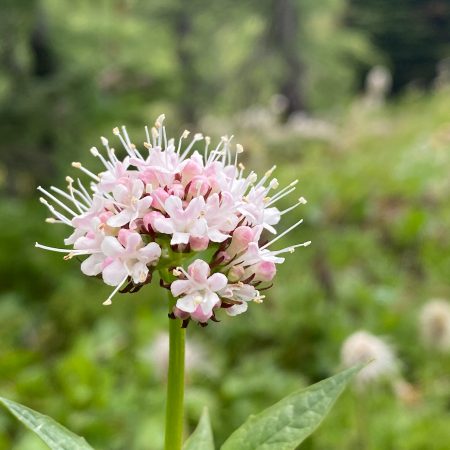
Valerian, scientifically known as Valeriana officinalis, is a perennial flowering plant native to Europe and parts of Asia. It has been used for centuries as a medicinal herb due to its potential health benefits. Here’s everything you need to know about valerian:
**1. Traditional Uses:**
– **Sleep Aid:** Valerian is primarily known for its sedative properties and has been traditionally used as a natural remedy for insomnia and sleep disorders.
– **Anxiety Relief:** It is also used to alleviate symptoms of anxiety, stress, and nervous tension.
– **Muscle Relaxant:** Valerian is believed to have muscle-relaxing properties and has been used to relieve muscle cramps and tension.
**2. Active Compounds:**
– **Valerenic Acid:** This compound is believed to be responsible for valerian’s sedative effects by increasing levels of gamma-aminobutyric acid (GABA), a neurotransmitter that helps regulate mood and promote relaxation.
– **Volatile Oils:** Valerian contains volatile oils such as valerenic acid, valerenol, and valerenal, which contribute to its aromatic properties and potential medicinal benefits.
**3. Forms of Consumption:**
– **Tea:** Valerian root can be brewed into a tea by steeping dried or fresh valerian root in hot water for several minutes.
– **Supplements:** Valerian supplements, including capsules, tablets, and liquid extracts, are available for those who prefer a more convenient form of consumption.
**4. Potential Health Benefits:**
– **Improved Sleep Quality:** Several studies suggest that valerian may help improve sleep quality, reduce the time it takes to fall asleep, and enhance overall sleep duration.
– **Anxiety Reduction:** Valerian has been shown to have anxiolytic effects, potentially helping to reduce symptoms of anxiety and promote relaxation.
– **Stress Management:** Some evidence suggests that valerian may help manage stress and alleviate symptoms of stress-related conditions.
– **Pain Relief:** Valerian’s muscle-relaxing properties may help alleviate mild pain and discomfort associated with muscle tension and spasms.
**5. Safety and Considerations:**
– **Side Effects:** While valerian is generally considered safe for short-term use, some individuals may experience mild side effects such as headache, dizziness, gastrointestinal upset, or daytime drowsiness.
– **Interactions:** Valerian may interact with certain medications, including sedatives, antidepressants, and alcohol. It’s essential to consult with a healthcare professional before using valerian, especially if you are taking medication or have underlying health conditions.
– **Pregnancy and Lactation:** Pregnant or lactating individuals should avoid using valerian due to a lack of safety data during these periods.
**6. Dosage and Usage:**
– **Dosage:** The appropriate dosage of valerian depends on various factors, including age, health status, and the intended purpose. It’s best to follow the manufacturer’s instructions or consult with a healthcare provider for personalized guidance.
– **Duration of Use:** Valerian is typically used on a short-term basis to address acute sleep disturbances or anxiety episodes. Prolonged or excessive use may lead to tolerance or dependence.
Overall, valerian is a popular herbal remedy known for its potential sleep-inducing and anxiolytic effects. However, more research is needed to fully understand its mechanisms of action and long-term safety profile. As with any herbal supplement, it’s essential to use valerian responsibly and seek professional advice if you have any concerns or pre-existing medical conditions.
Certainly! Here’s a text in English advising to consult a certified physician before using the herb as medicine:
“Before using this herb as a medicine, it is essential to consult with a certified physician. While herbal remedies can offer potential health benefits, they may also interact with certain medications or conditions. A physician can provide personalized advice based on your medical history, current medications, and individual health needs. Your safety and well-being are paramount, so always seek professional medical guidance before incorporating herbal treatments into your healthcare regimen.”


