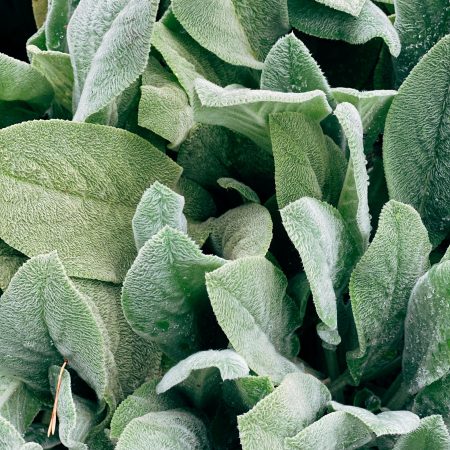
Stachys lavandulifolia, commonly known as lavender cotton, is a perennial herbaceous plant that belongs to the Lamiaceae family. Here’s everything you need to know about Stachys lavandulifolia:
**1. Botanical Description:**
– **Appearance:** Lavender cotton is a small, evergreen shrub with gray-green, woolly leaves that resemble those of lavender plants.
– **Height:** It typically grows to a height of about 30-60 cm (12-24 inches).
– **Flowers:** Lavender cotton produces small, tubular, purple flowers on spikes during the summer months.
**2. Habitat and Distribution:**
– **Native Range:** Lavender cotton is native to the Mediterranean region, particularly areas of southern Europe and North Africa.
– **Cultivation:** It is cultivated in gardens and landscapes as an ornamental plant for its attractive foliage and flowers.
**3. Traditional Uses:**
– **Medicinal:** In traditional herbal medicine, lavender cotton has been used for various purposes, including:
– Treatment of digestive disorders
– Relief from headaches and migraines
– Management of respiratory ailments
– **Aromatherapy:** The aromatic foliage of lavender cotton is sometimes used in potpourris and sachets for its pleasant scent.
**4. Culinary Uses:**
– **Edibility:** While not commonly used as a culinary herb, some sources suggest that lavender cotton leaves have been used sparingly in herbal teas or as a flavoring agent in cooking.
**5. Essential Oil:**
– **Extraction:** Lavender cotton does not produce significant quantities of essential oil compared to true lavender (Lavandula spp.). However, some essential oil may be extracted from the leaves and flowers.
– **Uses:** The essential oil, if obtained, may have potential applications in aromatherapy or as a fragrance component in cosmetic products.
**6. Cultivation and Care:**
– **Growing Conditions:** Lavender cotton prefers well-drained soil and full sun exposure. It is drought-tolerant once established and requires minimal maintenance.
– **Propagation:** It can be propagated from seeds, cuttings, or by division of mature plants.
– **Pruning:** Regular pruning can help maintain a compact shape and encourage bushy growth.
**7. Ornamental Use:**
– **Garden Plant:** Lavender cotton is valued in garden settings for its silver-gray foliage and attractive flowers, which can add texture and color to borders, rock gardens, and herbaceous plantings.
– **Ground Cover:** It can also be used as a low-maintenance ground cover in sunny areas with poor soil conditions.
While Stachys lavandulifolia has some traditional uses in herbal medicine and aromatic applications, it is primarily grown as an ornamental plant in garden landscapes. As with any herbal remedy, it’s essential to consult with a healthcare professional before using lavender cotton for medicinal purposes.
Certainly! Here’s a text in English advising to consult a certified physician before using the herb as medicine:
“Before using this herb as a medicine, it is essential to consult with a certified physician. While herbal remedies can offer potential health benefits, they may also interact with certain medications or conditions. A physician can provide personalized advice based on your medical history, current medications, and individual health needs. Your safety and well-being are paramount, so always seek professional medical guidance before incorporating herbal treatments into your healthcare regimen.”