
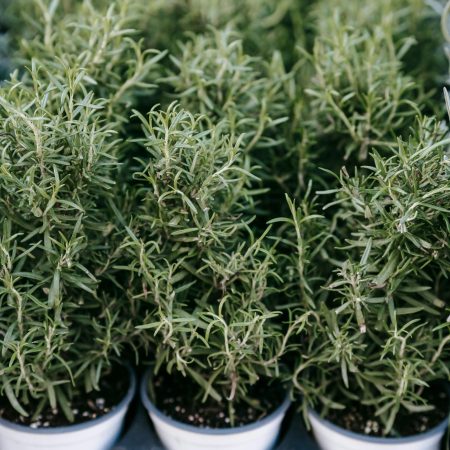
Rosemary (Rosmarinus officinalis) is a fragrant, woody herb native to the Mediterranean region. It belongs to the Lamiaceae family, which also includes other culinary herbs like mint, oregano, and basil. Here’s everything you need to know about rosemary:
**1. History and Cultural Significance:**
– **Historical Use:** Rosemary has a long history of culinary, medicinal, and ceremonial use dating back to ancient times. It was prized by the ancient Greeks and Romans for its aromatic properties and was believed to improve memory and concentration.
– **Symbolism:** In various cultures, rosemary symbolizes remembrance, love, loyalty, and protection. It has been used in weddings, funerals, and other ceremonies as a symbol of these qualities.
– **Folklore:** According to folklore, hanging sprigs of rosemary in the home was believed to ward off evil spirits and bring good luck.
**2. Botanical Description:**
– **Appearance:** Rosemary is an evergreen shrub with needle-like leaves that are dark green on top and whitish underneath. It produces small, pale blue flowers in spring and summer.
– **Growth Habit:** It can grow up to 1-2 meters tall, depending on the variety, and has a bushy, upright growth habit.
– **Propagation:** Rosemary can be propagated from seeds, cuttings, or by layering.
**3. Culinary Uses:**
– **Flavor Profile:** Rosemary has a strong, aromatic flavor with piney, earthy, and slightly bitter notes.
– **Culinary Applications:** It is commonly used as a seasoning for roasted meats, poultry, fish, vegetables, soups, stews, and bread. It can also be infused into oils, vinegars, and syrups.
**4. Medicinal Properties:**
– **Antioxidant:** Rosemary contains antioxidants, such as rosmarinic acid and carnosic acid, which may help protect against oxidative stress and inflammation.
– **Digestive Aid:** It has been used traditionally to aid digestion and relieve gastrointestinal discomfort.
– **Memory and Cognitive Function:** Some studies suggest that rosemary may have cognitive-enhancing effects and could potentially improve memory and concentration.
**5. Aromatic and Therapeutic Uses:**
– **Aromatherapy:** Rosemary essential oil is used in aromatherapy for its invigorating scent, which is believed to promote mental clarity, alertness, and relaxation.
– **Topical Applications:** Rosemary oil is also used topically in massage oils, hair care products, and skincare formulations for its stimulating and revitalizing properties.
**6. Growing Rosemary:**
– **Climate:** Rosemary thrives in warm, sunny climates and well-drained soil.
– **Cultivation:** It can be grown in containers or in the ground and requires minimal maintenance. Regular pruning helps maintain its shape and encourages bushier growth.
**7. Varieties:**
– There are several cultivars of rosemary available, including ‘Tuscan Blue,’ ‘Arp,’ ‘Prostrate,’ and ‘Golden Rain.’
**8. Precautions:**
– **Pregnancy:** Pregnant women should avoid consuming large amounts of rosemary as it may stimulate uterine contractions.
– **Allergies:** Individuals with allergies to other plants in the Lamiaceae family (such as mint, basil, or oregano) may also be allergic to rosemary.
Rosemary is a versatile herb with a rich history, culinary uses, and potential health benefits. Whether used in cooking, aromatherapy, or traditional medicine, it continues to be valued for its distinctive flavor and aroma.
Certainly! Here’s a text in English advising to consult a certified physician before using the herb as medicine:
“Before using this herb as a medicine, it is essential to consult with a certified physician. While herbal remedies can offer potential health benefits, they may also interact with certain medications or conditions. A physician can provide personalized advice based on your medical history, current medications, and individual health needs. Your safety and well-being are paramount, so always seek professional medical guidance before incorporating herbal treatments into your healthcare regimen.”


3 thoughts on “Rosemary”
htht
fhgfgf
ghghg